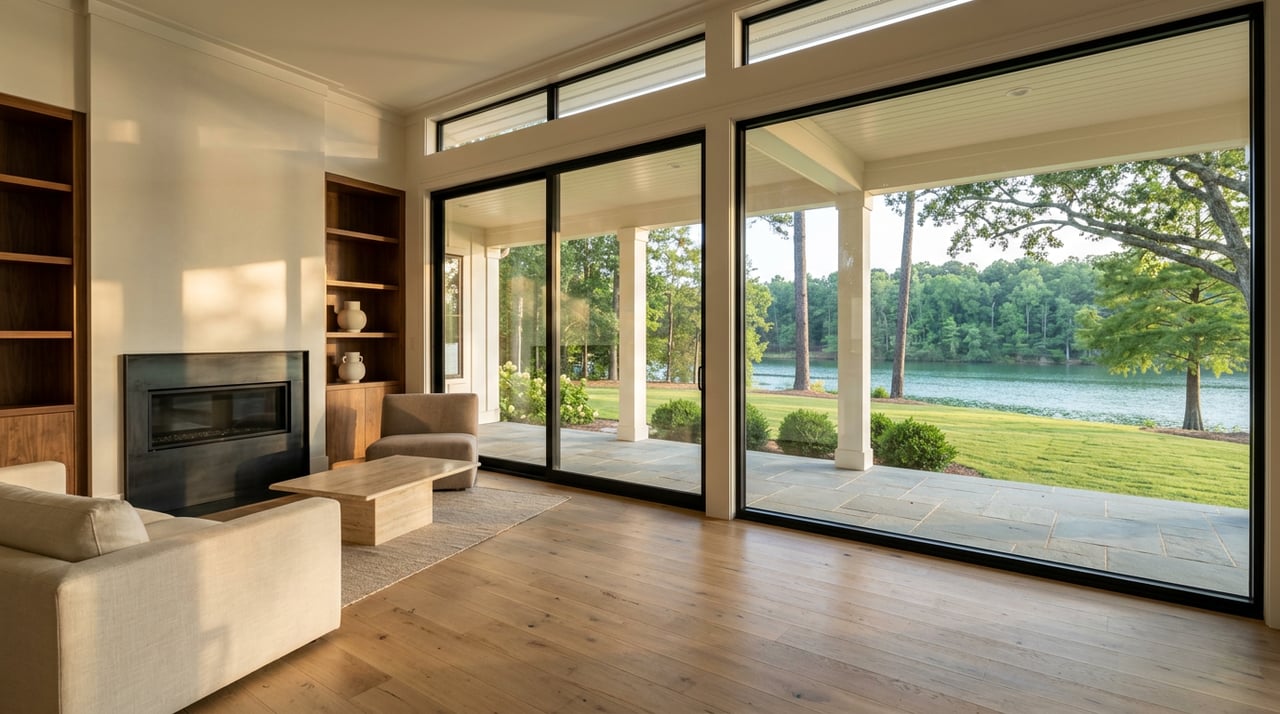
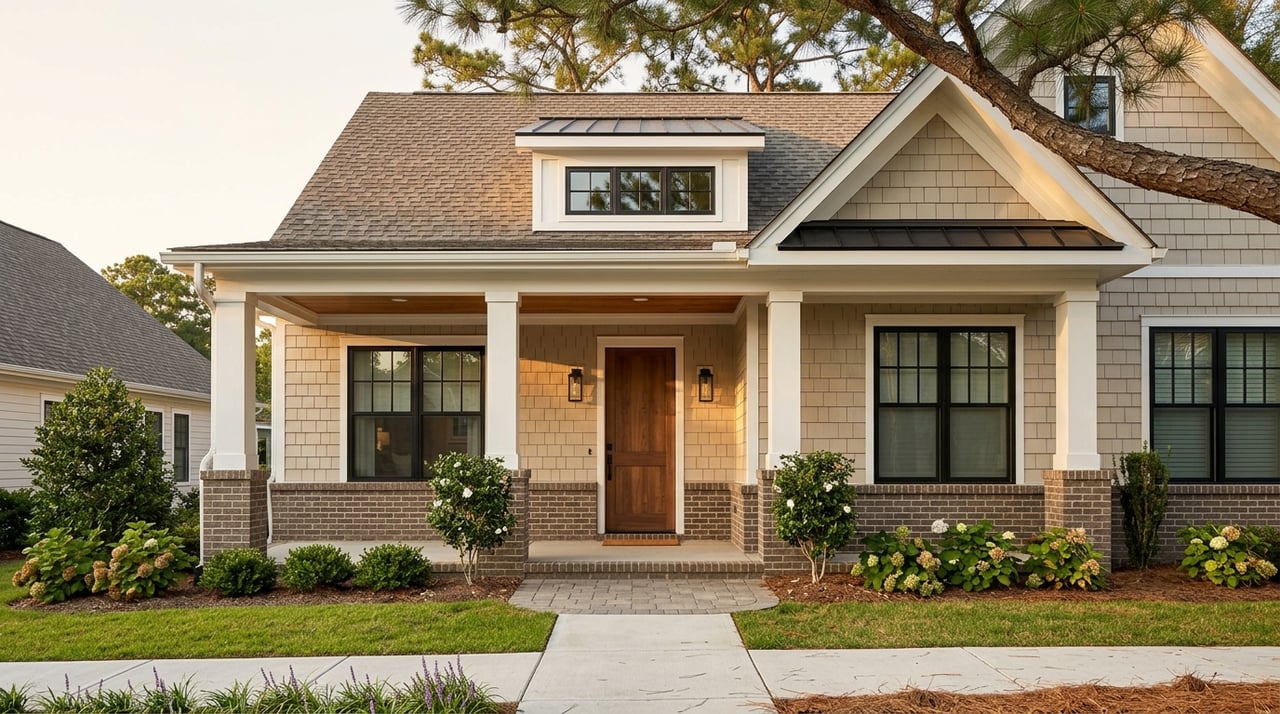
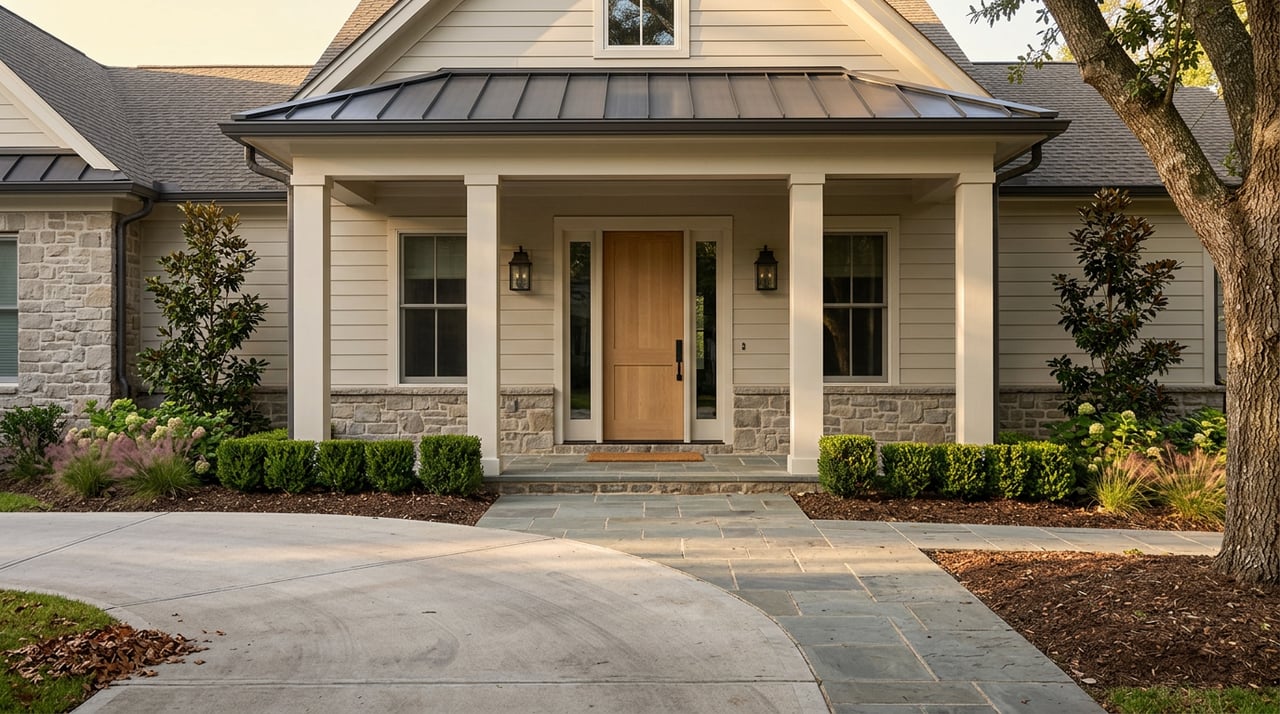
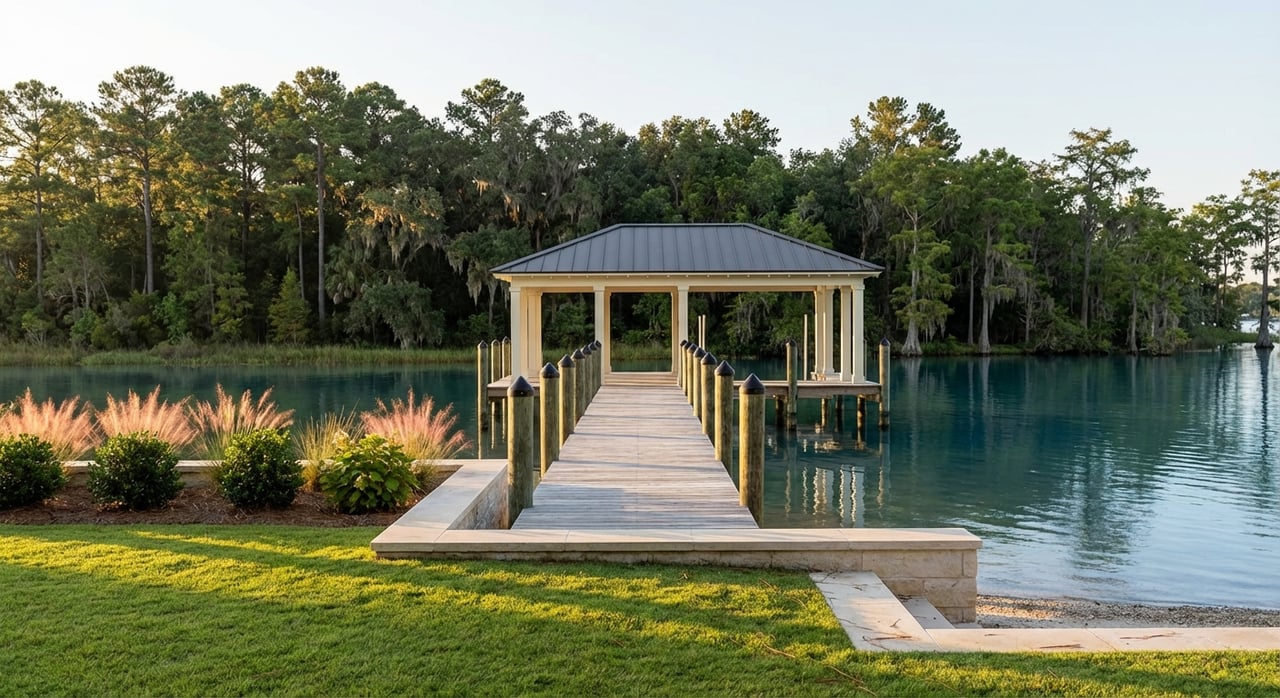
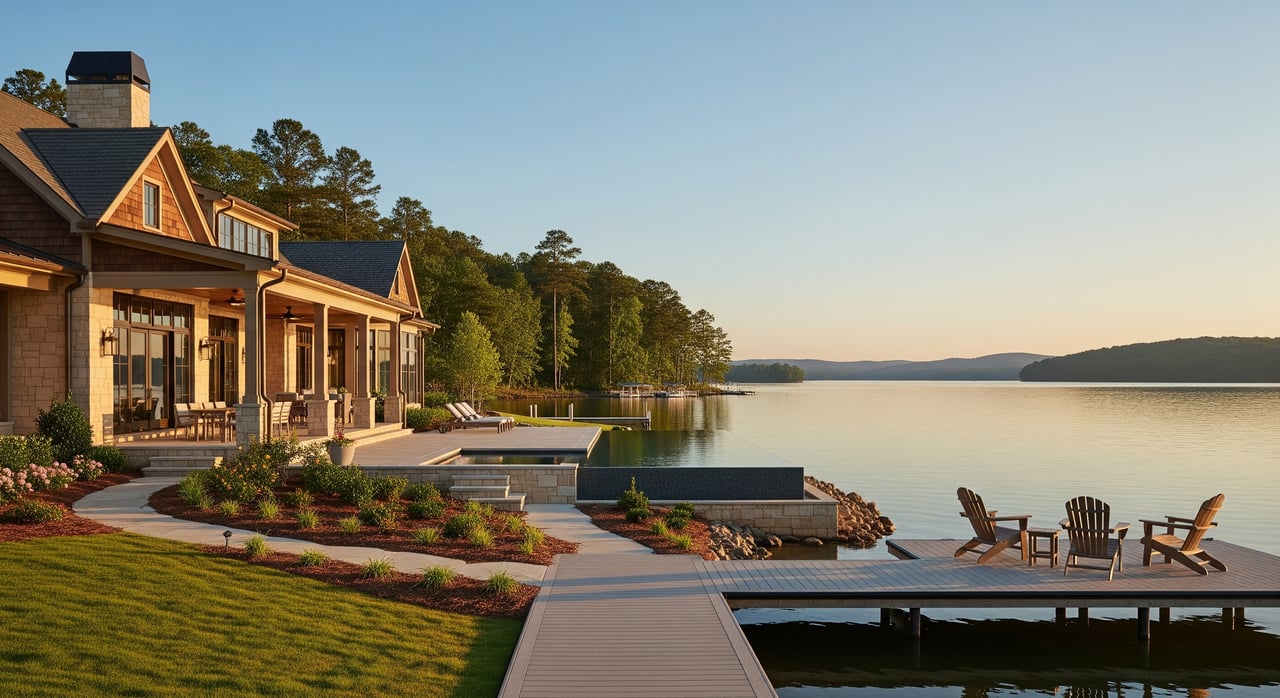
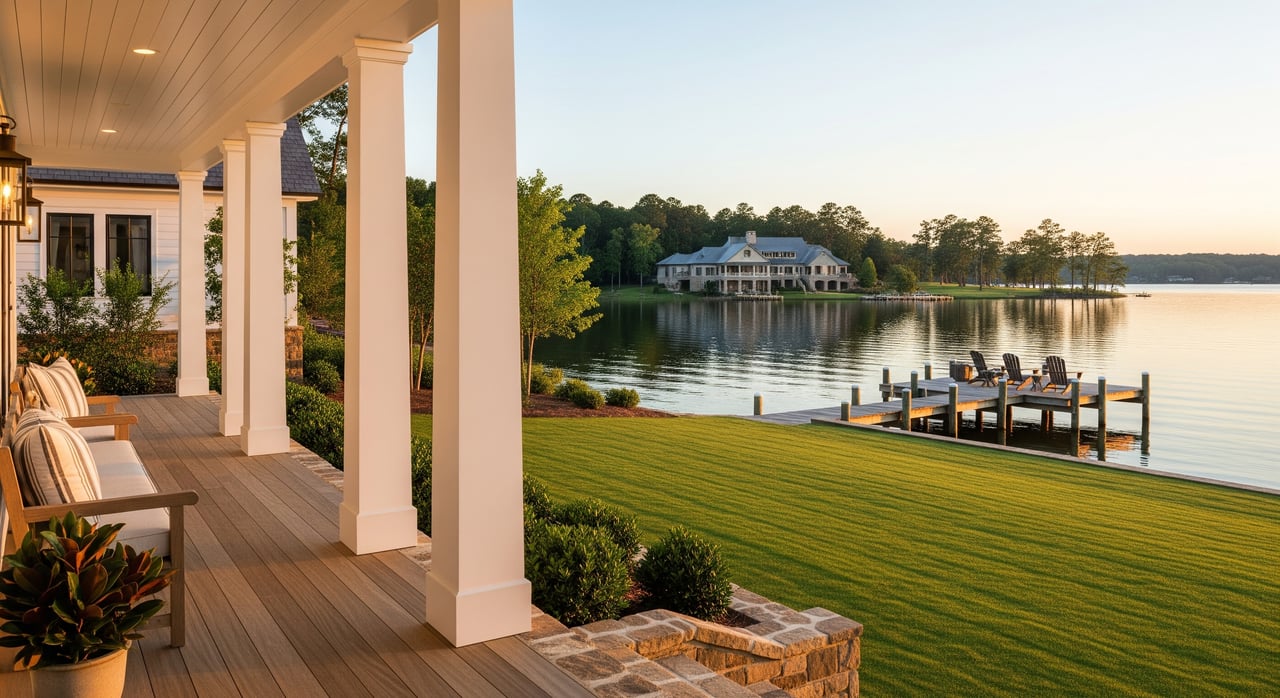
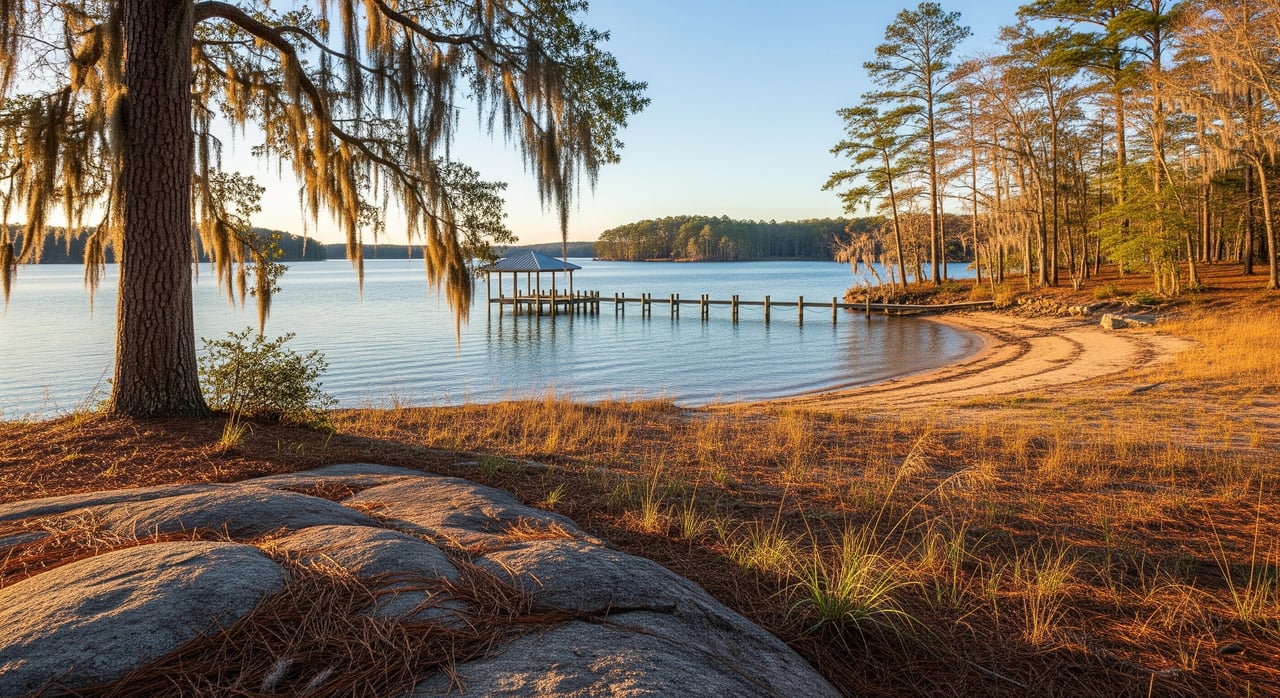
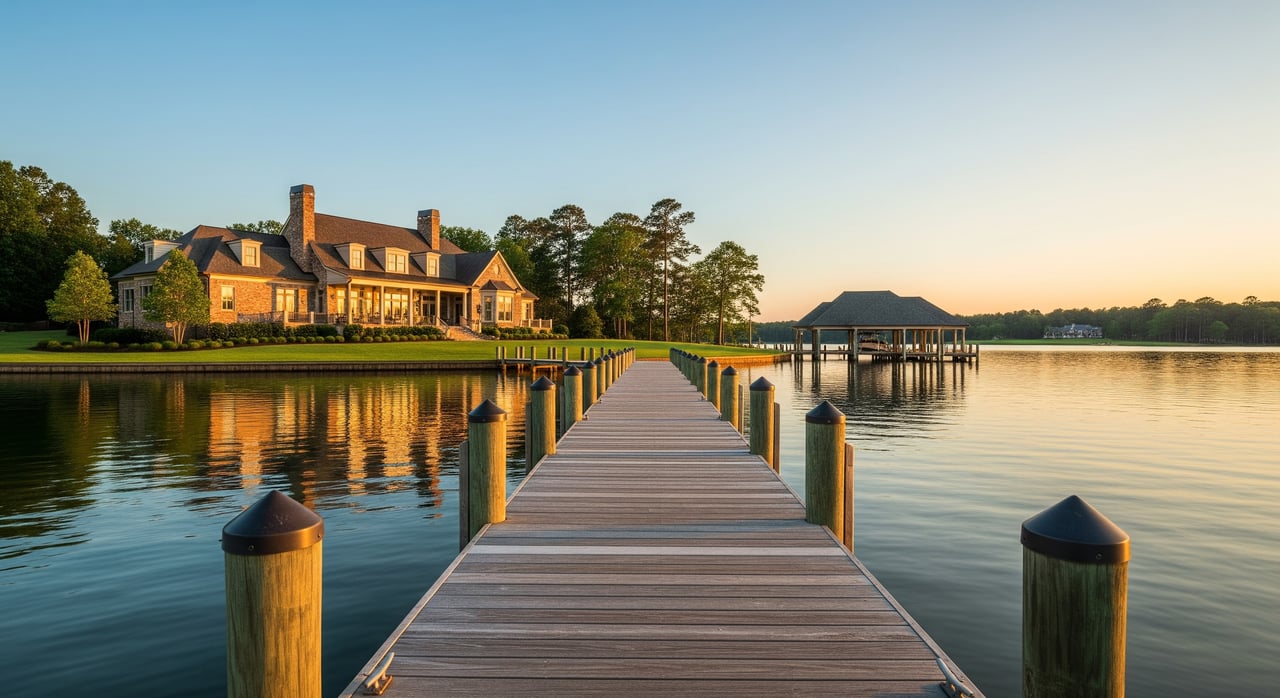
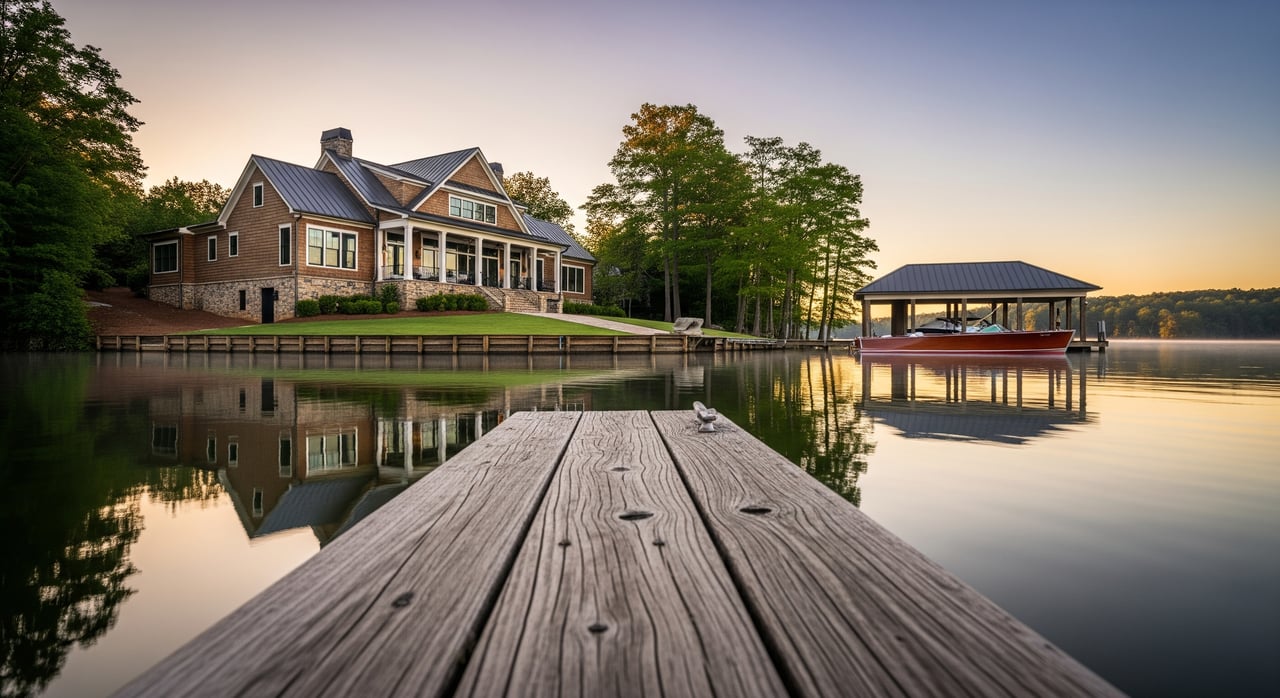
Building a custom lake home starts with the lot, and at Lake Oconee the rules at the water’s edge can make or break your plan. If you are eyeing a parcel in Del Webb at Lake Oconee, you already know the draw of a gated, amenity-rich 55+ community with direct lake access. What you may not know is how shoreline permits, HOA design review, septic or sewer, and flood mapping fit together. This guide gives you a clear, step-by-step roadmap so you can buy with confidence and build without surprises. Let’s dive in.
Why Del Webb lots are unique
Del Webb at Lake Oconee is an age-restricted 55+ community with a clubhouse, pools, lifestyle programming, and direct lake access. The community is governed by an HOA with Covenants, Conditions, and Restrictions and an Architectural Review Board. That means exterior design, landscaping, and construction staging follow written rules. You can review the community overview on the official Del Webb page for context on amenities and setup at Del Webb at Lake Oconee.
Because this is a lake environment, your project will also be shaped by county permits and shoreline rules. Expect to coordinate Greene County permits, HOA approvals, and Georgia Power shoreline authorizations. A solid plan respects all three from day one.
The shoreline rules that matter
Lake Oconee’s shoreline is managed by Georgia Power under its Shoreline Management Program. Georgia Power regulates private docks, boathouses, seawalls, and tree removal inside the project boundary. Written authorization is required before any shoreline work begins. In many cases, your lot must also have a current recorded shoreline lease or license on file before a new permit will be issued. These authorizations are separate from county permits. Learn the basics on Georgia Power’s Shoreline Management page.
Two key takeaways:
- Do not assume dock rights. A waterfront lot is not automatically entitled to a private dock. Written authorization is governed by Georgia Power and may be further limited by community rules.
- Document everything. A clean shoreline file, current permits, and as-built drawings will protect your project and future resale.
Your step-by-step buyer roadmap
Use this phased plan to keep your lot purchase and custom build on track.
Phase A: Pre-offer checks
- Confirm the parcel. Verify Greene County parcel ID, legal description, and taxing jurisdiction using county records and GIS. The county also maintains the permit portal and forms you will use later. Review the permit hub at Greene County Building & Zoning.
- Request core documents in writing. Ask the seller or listing agent for a current recorded survey, CCRs and ARB guidelines, HOA budget and minutes, and any estoppel or resale certificate.
- Verify shoreline rights. Request any Georgia Power shoreline file, recorded shoreline agreement or lease, existing permits, and as-built drawings for docks or seawalls. Georgia Power will not issue many permits without a current recorded agreement. See guidance at Georgia Power Shoreline Management.
- Check flood risk. Use FEMA or the Georgia DFIRM viewer to see if the parcel is in a Special Flood Hazard Area. If so, plan for an elevation certificate and talk to your lender about insurance. Start with the Georgia DFIRM viewer.
Phase B: Early due diligence in escrow
- Order surveys. Commission a current ALTA or boundary survey and a topographic survey if you plan grading, retaining walls, or a dock.
- Contact Georgia Power. Request the recorded shoreline file from the East Georgia office and confirm the status of any existing permits, the 25-foot vegetative buffer, and any restrictions on dock or seawall dimensions. The required documentation for residential shoreline permits is outlined by Georgia Power.
- Confirm septic or sewer. Contact Greene County Environmental Health for a septic suitability letter or to verify sewer availability. The county’s FAQ explains who to call for perc and septic questions at Greene County FAQs.
- Run title and easements. Have title search for recorded easements, shoreline agreements, covenants, liens, and any notices of violation.
- Learn ARB timelines and fees. Ask HOA or management for the ARB submission checklist, turnaround times, deposits, pre-construction inspections, working hours, and staging rules. If the community is in a declarant period, confirm who approves ARB applications. The Community Associations Institute has helpful context on how ARB and resale packages work.
Phase C: Technical checks
- Soil and perc testing. If septic is needed, complete county-required perc tests. If the lot is steep or you want a basement, consider a basic geotechnical advisory.
- Shoreline feasibility visit. Confirm usable water depth at normal pool, underwater obstacles, and neighbor dock spacing. Ask for any as-built dock permits.
- Watch for wetlands. Shallow or marshy areas can change what is permitted and may limit dock placement.
Phase D: Design, ARB submission, and permitting
- Engage your design team. Select an architect or site designer to align house placement, views, setbacks, and buffers. Include a landscape approach that respects county and Georgia Power buffers.
- Prepare the ARB package. Expect to submit elevations, exterior materials, roof and color details, lighting, and a landscape plan. Include dock or seawall drawings if applicable.
- Apply for county permits. File for the building permit and any land-disturbance or erosion control approvals. Find county forms and the portal at Greene County permits.
- Apply to Georgia Power. Submit the shoreline permit application concurrently. Georgia Power often requires a residential dwelling to be present before certain shoreline structures are permitted. Older non-conforming structures may be limited to maintenance only. Details are at Georgia Power Shoreline Management.
Phase E: Construction coordination and records
- Choose an experienced builder. Favor contractors who know Lake Oconee lots and Georgia Power rules. The Greene County FAQ references the Lake Oconee Builders Association for local options at Greene County FAQs.
- Track permits and inspections. Maintain a shared log of county inspection milestones and Georgia Power permit conditions. Keep copies of all approvals and as-built drawings for resale or permit transfers.
- Understand the build process. If you work with a production builder, review their stepwise process and warranty. Pulte outlines typical steps and touchpoints at Pulte’s homebuilding guide.
Key documents and tests checklist
Ask for these documents right away:
- Recorded ALTA or boundary survey and any recent topography.
- Title commitment, easements, and any notices.
- CCRs, bylaws, rules, ARB guidelines, current HOA budget, recent minutes, and estoppel or resale certificate.
- Georgia Power shoreline file, recorded lease or license, and copies of any shoreline permits or approvals. See requirements at Georgia Power Shoreline Management.
- Copies of any county permits or code actions tied to the lot.
- Septic pump records or septic permit if present, or a septic suitability letter from the county at Greene County FAQs.
- FEMA or DFIRM flood status and, if in a Special Flood Hazard Area, an elevation certificate and insurance estimates using the Georgia DFIRM viewer.
Order these inspections and tests:
- Boundary and topographic survey including the waterline if waterfront.
- County perc test or septic feasibility review.
- Basic geotechnical advisory if slopes, clay, or rock are present.
- Shoreline inspection by a marine or dock professional for piles, rip-rap, and water depth.
Timelines you can plan for
- Pre-offer validations and document requests: 1 to 3 weeks. Longer if a shoreline agreement must be located or if developer documents are being assembled.
- Perc test or septic letter: 2 to 6 weeks, based on scheduling with Greene County Environmental Health. See contacts at Greene County FAQs.
- ARB review: many boards target 15 to 30 days after a complete submittal. Confirm your HOA’s timeline. The Community Associations Institute explains why timelines vary.
- Georgia Power shoreline review: weeks to months, depending on scope. Simple docks move faster than complex boathouses or dredging. No work can start on project lands without written approval. Learn more at Georgia Power Shoreline Management.
- Federal authorizations if needed: activities like dredging may involve the U.S. Army Corps of Engineers and can take about 60 to 120 days after a complete application, based on practitioner guidance at Hendrix Group’s dock permitting guide.
- County building permits: typical single-family reviews take a few weeks if submittals are complete. More complex plans take longer. See the county portal at Greene County permits.
- Construction: a conservative working assumption for a custom lakeside home is 8 to 12 months after permits are cleared, though timelines vary. See stepwise context at Pulte’s homebuilding guide.
Sample request language you can copy
Use these scripts to keep your offer and due diligence clear and complete.
Georgia Power shoreline file
“Please provide the complete Georgia Power shoreline file for the property, including any recorded shoreline lease or license, all current shoreline permits, and any available as-built drawings for docks, boathouses, seawalls, and rip-rap. If you are aware of any prior shoreline work without written authorization, please disclose.”
HOA and ARB documents
“Please provide the recorded CCRs, bylaws, rules and regulations, current ARB guidelines and application checklist, current HOA budget, the most recent HOA meeting minutes, and an estoppel or resale certificate if available. Also confirm typical ARB review timelines, fees, and any construction deposits.”
Offer timeline you can add to a contract
Consider inserting a due diligence schedule like this so you have space to complete critical checks:
- Day 0: Offer accepted with a 30 to 45 day inspection and due diligence contingency. Seller to deliver CCRs, ARB guidelines, estoppel, survey, and shoreline file.
- Days 1 to 14: Order boundary and topo surveys. Request Georgia Power shoreline file, HOA documents, title commitment, and flood status. Start septic suitability request with the county. See forms and contacts at Greene County permits and Georgia DFIRM.
- Days 14 to 35: Receive surveys and perc results. Hold an ARB pre-application check if offered. Order geotechnical advisory if needed.
- Days 30 to 60: File county building and land-disturbance permits and submit Georgia Power shoreline permit requests concurrently. See Greene County permits and Georgia Power Shoreline Management.
- After permits clear: Begin construction. Custom homes on the lake often take 8 to 12 or more months, depending on scope and access. For a production process overview, review Pulte’s steps.
Also, ask your attorney or agent to include an ARB review contingency that provides enough time for at least one full ARB cycle without rush fees. The Community Associations Institute notes that ARB review windows vary by association.
Red flags that deserve a pause
- No recorded Georgia Power shoreline agreement or expired dock permit.
- Unauthorized shoreline clearing inside the Georgia Power buffer.
- HOA or ARB issues such as liens, pending special assessments, or litigation in meeting minutes.
- Failed perc test with no practical sewer option.
- Property located in a mapped floodway or high-hazard floodplain without a clear mitigation path.
Protecting resale from day one
Think like your future buyer as you plan. Dock and shoreline rights and usable water depth can be as valuable as interior finishes. A home that places primary living spaces toward the view, follows ARB rules, and shows clean permitting history often sells faster in Lake Oconee’s lifestyle communities. For market perspective on how amenities and shoreline use affect demand near 30642, review this Lake Oconee homebuyer guide.
Ready to run this playbook with a local pro who lives the process and coordinates the moving parts for you? Connect with Avis Dickey for a focused consultation on lake lots and custom builds in and around Del Webb at Lake Oconee.
FAQs
What makes Del Webb at Lake Oconee different for lot buyers?
- It is a 55+ gated community with direct lake access and organized amenities. Your exterior design, landscaping, and construction staging will follow HOA and ARB rules detailed in recorded documents and guidelines.
Who controls docks and shoreline work on Lake Oconee?
- Georgia Power manages the shoreline and requires written authorization for docks, boathouses, seawalls, and tree removal inside the project boundary. County approvals are separate and you usually need both.
How do I confirm if my lot can have a private dock?
- Ask the seller for the Georgia Power shoreline file and any recorded shoreline lease or license, then confirm with Georgia Power. Also check the community’s covenants, which may be stricter than Georgia Power rules.
Do I need to check flood risk before I buy a lake lot?
- Yes. Use FEMA or the Georgia DFIRM viewer to see if the parcel is in a Special Flood Hazard Area. If it is, a lender may require an elevation certificate and flood insurance, and your foundation design could be affected.
What permits are required beyond HOA approvals?
- Expect Greene County building and land-disturbance permits for the home and site work. For shoreline structures, apply to Georgia Power. Some projects, such as dredging, may also require federal authorization.
How long does ARB approval usually take in communities like Del Webb?
- Many ARBs target 15 to 30 days after a complete application. Timelines vary by association, so confirm current turnaround and any construction deposits or pre-construction inspections.
How long should I budget for a custom lakeside build?
- A conservative assumption is 8 to 12 or more months after permits are cleared, depending on scope, access, and whether shoreline or significant site work is involved.