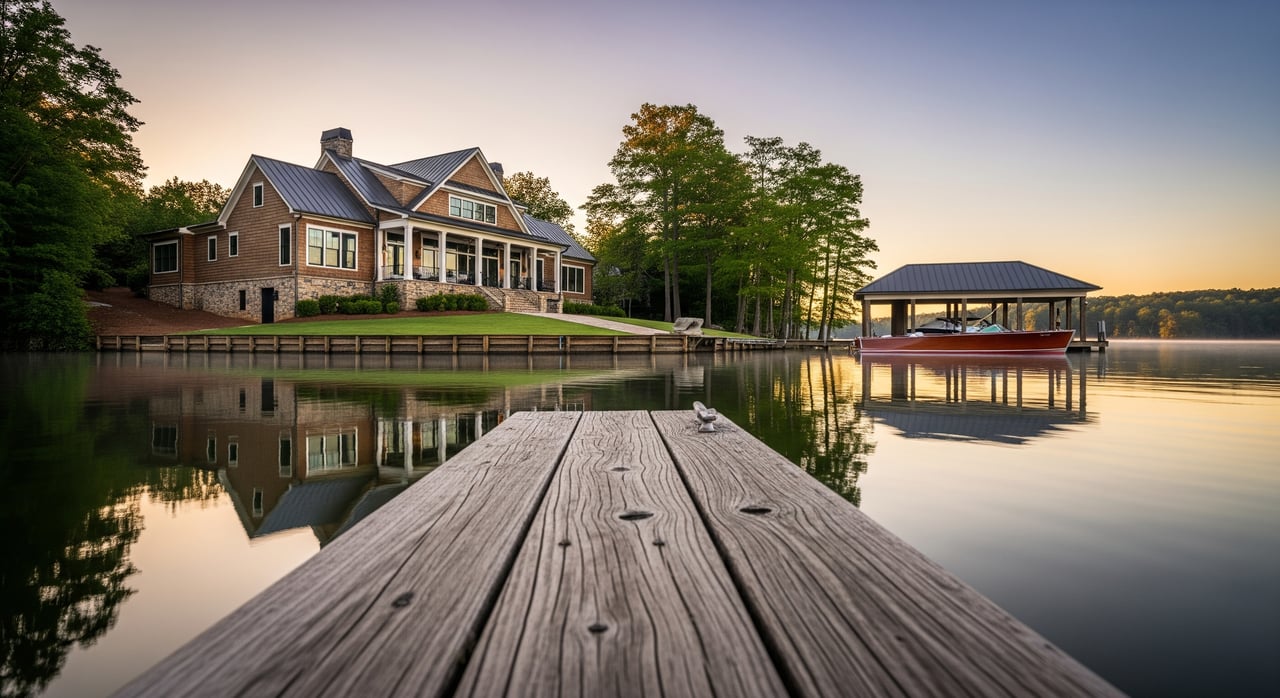
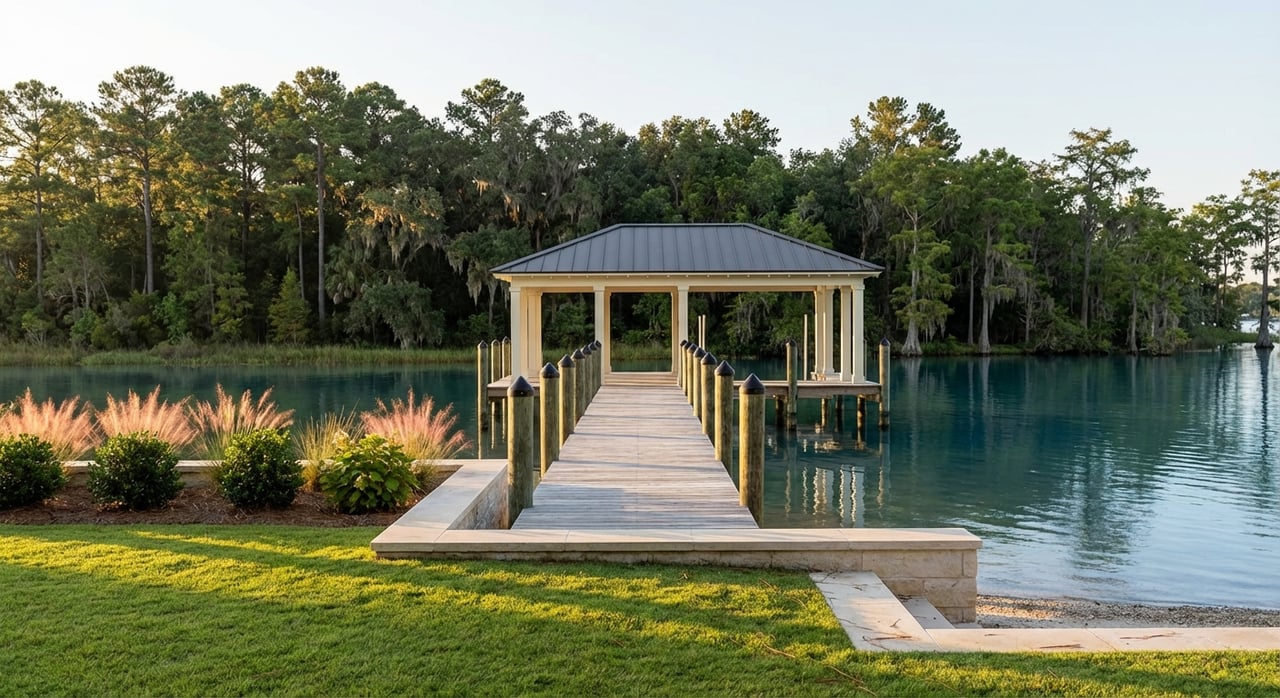
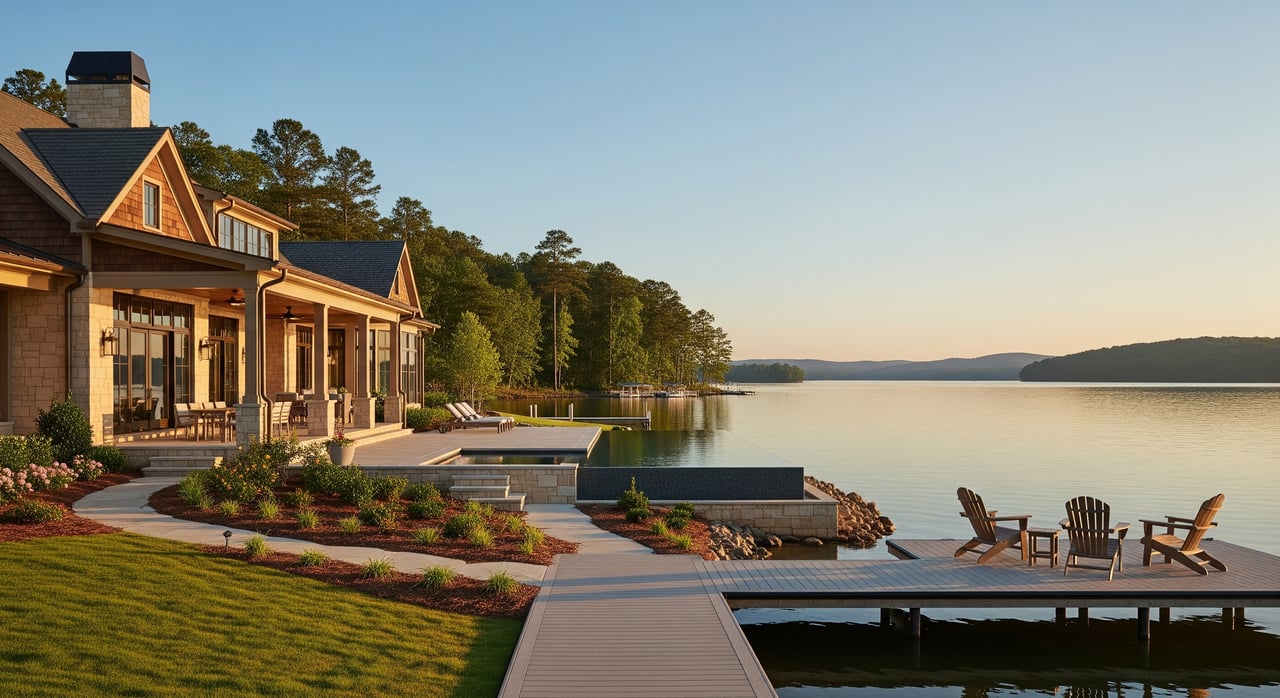
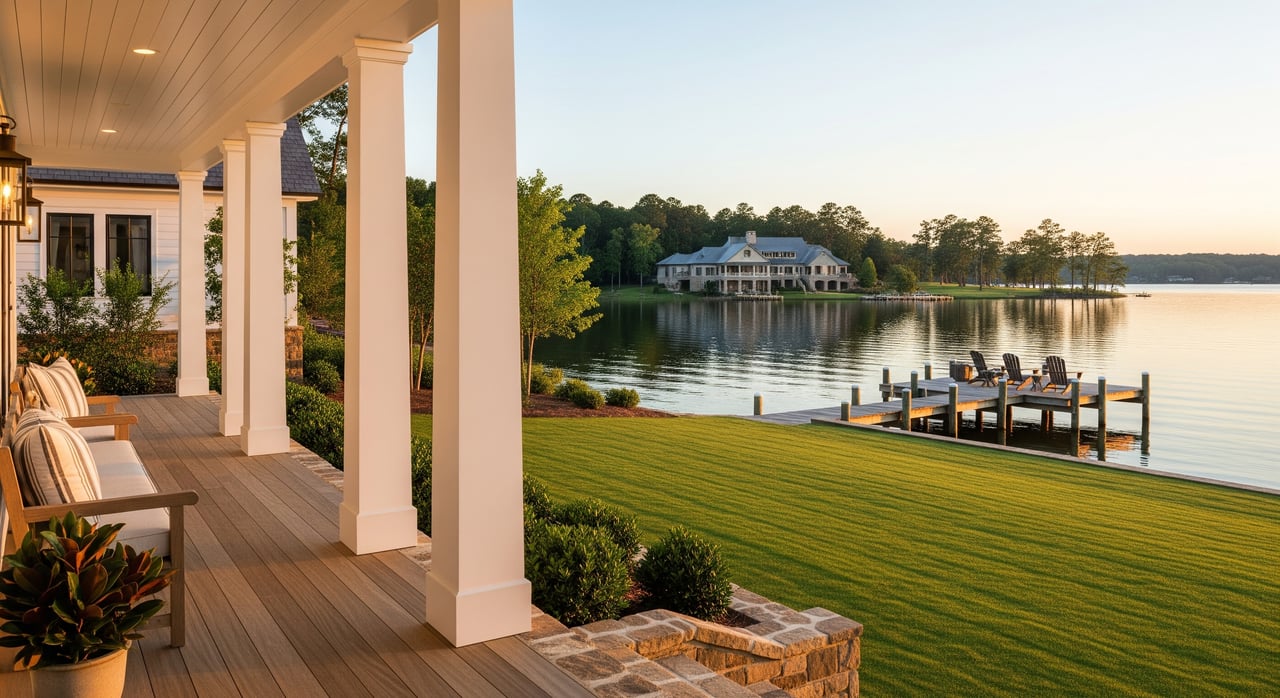
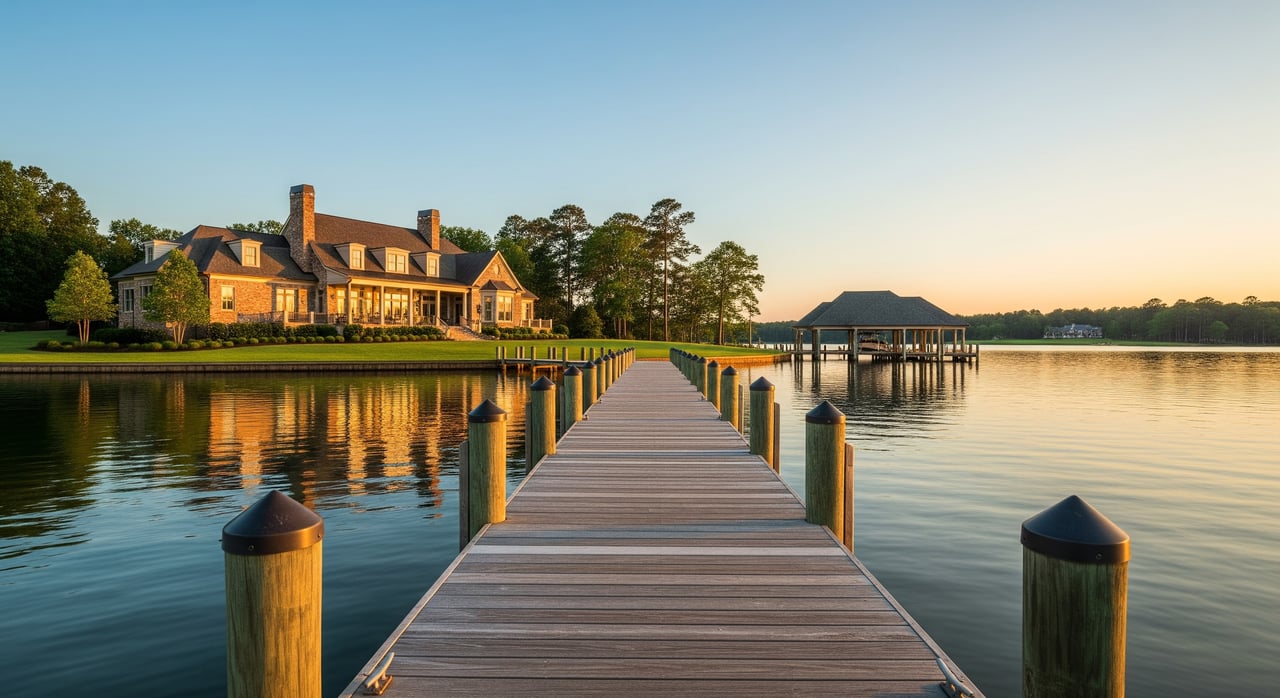
Imagine waking up to glassy morning water, coffee in hand, and your boat waiting at the dock. If Lake Oconee is calling, you want a plan that protects your time, your budget, and your long-term enjoyment. In this guide, you’ll learn how to confirm dock rights, verify water depth, navigate HOA rules, and line up financing, insurance, and permitting with confidence. Let’s dive in.
Why Lake Oconee stands out
Lake Oconee is an inland reservoir in east‑central Georgia that attracts second‑home buyers and retirees from Atlanta and Athens. You can choose from full‑time residences, second homes, gated neighborhoods, and high‑amenity club communities such as Reynolds Lake Oconee. Buyers here often prioritize dock and boat access, low‑maintenance living with HOA options, and solid resale potential in a stable vacation and retirement market.
Step 1: Define your lake lifestyle
Start with how you plan to use the water. What type of boat do you own or plan to buy? Do you prefer quieter coves or main‑lake views and faster access? Are you looking for a private dock or are shared docks acceptable?
- Cove lots often offer calmer water and privacy but can have shallower or more variable depth.
- Main‑lake locations typically provide deeper water and quick routes, with more wakes and traffic.
- Shoreline composition matters. Rock, sand, silt, or riprap affects erosion control, swimming, and long‑term maintenance.
Step 2: Confirm shoreline rights early
Owning a waterfront home does not always mean you own the shoreline or lakebed. Riparian rights vary by deed, state law, and any recorded easements or leases. A title search is essential to confirm what you actually acquire.
- Review the property deed, plat, and any recorded easements.
- Ask for HOA or POA covenants, conditions and restrictions.
- Look for red flags like conservation easements, lake buffers that prohibit docks, or shared shoreline access that limits private dock placement.
- If property lines at the high or low water mark seem unclear, order a certified boundary survey.
Step 3: Verify dock eligibility and permits
Before you fall in love with a view, confirm whether a private dock is allowed and what it takes to build or modify one. On reservoirs and power‑company lakes, the lake operator may require permits, leases, or approvals for docks and shoreline work. County planning departments and your HOA may also have rules.
- Ask who controls dock permits for the specific parcel. Confirm if lakebed or shoreline leases are needed.
- Check county building and setback rules, plus any state environmental requirements.
- Submit plans to HOA or architectural review boards when applicable.
- Expect restrictions on dock size, distance from property lines, roofed structures, boatlifts, and placement near navigation channels.
- Plan for seasonal water‑level variability. Some areas favor floating docks over fixed piers.
Timeline matters. Dock approvals can add several weeks to several months depending on stakeholders. Build this into your purchase plan so you are not surprised after closing.
Step 4: Measure water depth and inspect the shoreline
Depth determines what boat you can keep and how you access the lake. Do not assume the water at the dock is always deep enough, especially during lower lake levels.
- Request recent measurements or commission a depth survey at normal and low elevations.
- Ask about historical high and low water levels and any planned changes in lake management.
- Check for submerged hazards, shoals, or shifting silt in coves.
- Inspect the existing dock for structural integrity and code compliance. A professional dock survey is wise.
- Review shoreline erosion history and any prior stabilization work, including riprap or bulkheads and related permits.
Step 5: Review HOA or club rules and fees
Many Lake Oconee properties are in HOA or club communities. Policies vary, and they can affect your day‑to‑day experience and your budget.
- Membership: Is it mandatory or optional? What are initiation and transfer fees?
- Dues: What do they cover, how often are they billed, and do they include dock maintenance or security?
- Dock rules: Private docks vs community docks, design standards, shared dock policies.
- Use and rental restrictions: Important if you plan occasional rentals.
- Governance: Review CC&Rs, bylaws, rules and regulations, architectural procedures.
- Financial health: Ask about reserves, special assessment history, and pending litigation.
Step 6: Plan financing, appraisal, and insurance
Waterfront homes can appraise differently due to true deep‑water access, dock rights, or shoreline maintenance needs. Many buyers finance with conventional loans for primary or second homes, while cash is also common for higher‑end properties.
- Lenders may request a survey that shows docks, shoreline structures, and easements.
- VA or USDA loans can have additional waterfront rules. Confirm early.
- Insurance: Standard homeowners policies apply, and flood coverage may be required if the home is in a FEMA floodplain.
- Consider wind and hail coverage for inland storms and any insurer requirements for docks and shoreline structures.
Taxes and utilities vary by county and location around the lake. Waterfront parcels may carry higher assessed values. Confirm sewer vs septic, well vs community water, and secure recent inspections and utility availability letters where relevant.
Step 7: Set a realistic timeline
Most lakefront purchases close in 30 to 60 days for conventional financing. Plan extra time for HOA or club approvals, surveys, and title review, often 2 to 8 additional weeks. If you need new dock permits or significant shoreline work, the process can extend several months.
Pre‑offer due diligence helps you move faster and avoid surprises. Secure key documents, verify dock eligibility, and measure depth before you submit an offer when possible.
Your buyer due diligence checklist
Use this list to keep your purchase on track:
- Title search and title insurance that address riparian rights and recorded easements
- Certified boundary survey showing waterfront, water lines, and all dock or shoreline structures
- County zoning and shoreline setback review for the parcel
- All dock or shoreline permits, leases, or lakebed use agreements from the seller and lake operator
- Structural inspection of existing dock or written quotes for a new dock
- Bathymetric and depth measurements at typical and low lake elevations
- Soil and septic inspection, plus utility availability confirmations
- Flood zone determination and any history of flood insurance claims
- Full HOA or club documents, dues and fee schedules, reserve status, transfer rules, and any pending assessments or litigation
- Environmental review if flagged, including wetlands or riparian buffer restrictions
- Insurance quotes for homeowners, flood, and wind or hail coverage
- Boat access rules, including no‑wake zones and proximity to public ramps if relevant
- Seller shoreline disclosures, including erosion, past stabilization, or dock damage
Build a local expert team
A strong team protects your investment and your timeline:
- Local buyer’s agent experienced with Lake Oconee waterfront
- Real estate attorney familiar with riparian rights and easements
- Title and escrow company with waterfront expertise
- Licensed surveyor for boundary and bathymetric measurements
- Dock contractor who understands local permitting and design standards
- Lender and insurance broker with second‑home and waterfront experience
Common mistakes to avoid
- Assuming you can build or expand a dock without permits or HOA approval
- Skipping depth measurements and then discovering shallow water at low levels
- Overlooking HOA or club fees, transfer rules, or rental restrictions
- Ignoring floodplain checks and insurance requirements
- Underestimating the time needed for dock approvals or shoreline work
Buying a lakefront home at Lake Oconee is about fit, function, and future value. With the right due diligence and a disciplined process, you can secure a property that delivers the access and lifestyle you want for years to come. If you are ready to take the next step, connect with Avis Dickey to craft a tailored plan and move forward with confidence.
FAQs
Can I build a private dock on a Lake Oconee lot?
- It depends on your deeded rights, HOA rules, and permits from the county and lake operator. Always verify before you buy.
Who owns the lakebed at Lake Oconee properties?
- The upland owner does not always own the lakebed. Confirm ownership and any leases or easements through a title search and county records.
Do Lake Oconee homes require flood insurance?
- Possibly. Check whether the home is in a FEMA flood zone and obtain quotes for flood coverage in addition to standard homeowners insurance.
How do I confirm water depth at my future dock?
- Request recent measurements from the seller or hire a professional to measure at both normal and low lake levels. Consider a bathymetric survey.
Are there extra fees for Lake Oconee club communities?
- Many communities have initiation, transfer, and monthly dues. Review fee schedules, membership types, and rules in writing before you commit.
How long does a Lake Oconee waterfront closing take?
- A typical financed purchase takes 30 to 60 days, with additional time for HOA approvals, surveys, title work, and any dock permitting you require.